

Aluminum Anodizing ، Applications and Benefits
Hard Anodized Coating on Aluminum Parts for High Hardness and Wear Resistance Hard anodized coating is applied to aluminum parts to achieve high hardness and excellent wear resistance, with a hardness range of approximately 55-60 HRc. It also acts as an insulating layer to prevent the generation of static electricity (anti-static). This coating is widely used in industries such as aviation, pharmaceuticals, textiles, and more. The process provides a thickness of approximately 100 microns and protects the part’s surface from corrosion.

Aluminum Anodizing Services
Sakht Pooshesh Company – A Leader in Aluminum Anodizing
Sakht Pooshesh Company, with several decades of experience and expertise in aluminum anodizing on both large and small scales, is one of the leading companies in the field of hard anodizing in Iran. The use of a specialized team, combined with expert knowledge and the application of modern global techniques, ensures high-quality coating and hardening of various industrial parts. Furthermore, you can directly contact our experts for any questions or inquiries
Aluminum: The Second Most Widely Used Metal in the WorldAluminum is the second most widely used metal in the world, and its widespread use is due to its lightweight, high resistance to corrosion, and affordable price. However, in its natural state, without undergoing industrial and chemical processes, aluminum has relatively low wear resistance and requires industrial treatments to enhance this property. When aluminum is exposed to the environment, a protective oxide layer forms on its surface, but this layer is not sufficient. Therefore, the anodizing process is used to increase its resistance.
What is Aluminum Anodizing?
Anodizing is an electrochemical process in which an aluminum oxide coating is formed on the desired part. This coating not only prevents wear and increases the part’s resistance but also enhances its appearance, making it more beautiful and shiny. In this method, since the part acts as the anode in the solution, this process is also called anodizing. Despite being invented over 50 years ago, it is still widely used today due to its effectiveness. In Iran, Sakht Pooshesh Company has been performing aluminum anodizing with the highest quality for many years, using modern methods.
Benefits of Anodized Aluminum
Increased Hardness
Better Colorability
Enhanced Appearance
Environmental Compatibility
Easy Maintenance
Primer for Final Coating: A primer is a material applied before the final coating to increase the adhesion of the final product.The hardness of aluminum oxide is extremely high, scoring above 9 on the hardness test, making it one of the hardest materials, second only to diamond. This high hardness is why it is used in sandpaper sheets. Applying this coating on the part significantly increases its hardness.The reason anodized aluminum has better colorability is that the oxide layer, due to its roughness, absorbs color more effectively, allowing the color to adhere strongly to the surface. As a result, the color does not peel off even when the surface is scratched.Another benefit of anodizing is that no harmful chemicals or gases are released into the environment during the process.Easy Maintenance is another advantage of anodized aluminum. Since the part becomes highly resistant to corrosion, it also offers strong resistance to dirt and pollutants, making it suitable for decorative and exterior components.
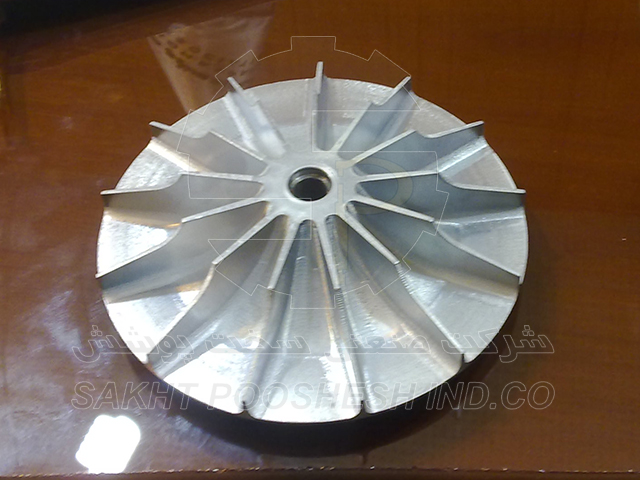
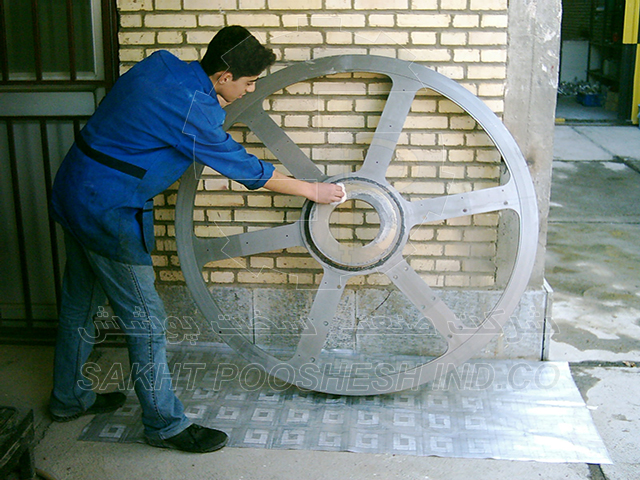
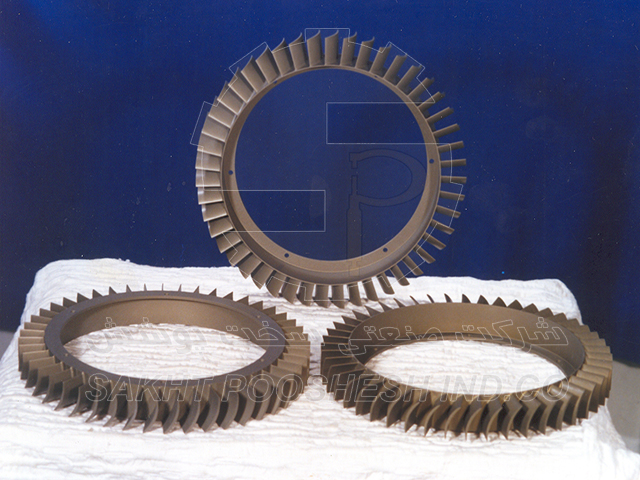
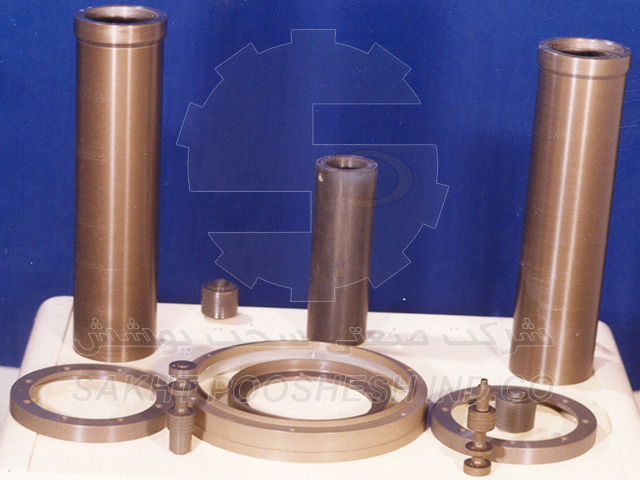
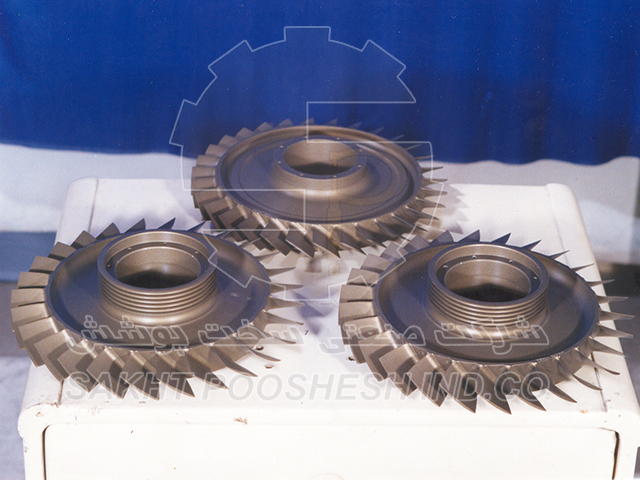
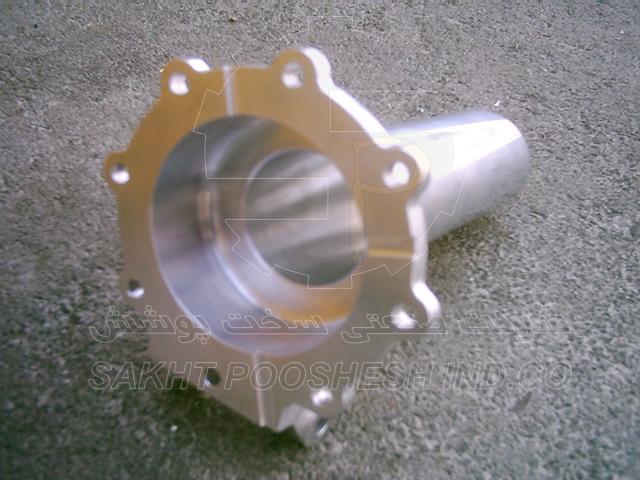
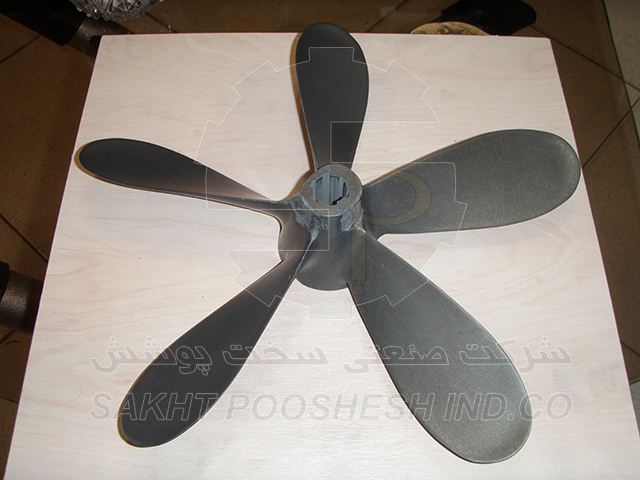
Samples of Hard Anodized Aluminum by Sakht Pooshesh
Sakht Pooshesh Company: Leading Provider of Aluminum Anodizing Services Sakht Pooshesh Company is one of the main and most reputable centers for providing aluminum anodizing services in Iran, offering specialized services in this field. With both domestic and international certifications, the company is capable of anodizing small, large, delicate, and sensitive parts. Below, you can see examples of anodized parts performed by Sakht Pooshesh Company. This process is commonly used for coating parts in aircraft engine repairs.

Types of Aluminum Anodizing
Chromic Acid Anodizing (Type 1)
Sulfuric Acid Anodizing (Type 2)
Hard Anodizing (Type 3)
POE Anodizing
Laser Anodizing
In this section of the Sakht Pooshesh website, we will explore the various aluminum anodizing methods and the features of each. We will also examine the advantages and disadvantages of each method and introduce their respective applications
Chromic Acid Anodizing (Type 1):
In this method, chromic acid is used to create an oxide layer on aluminum. Typically, the layer thickness added ranges from 20 to 80 microns.
Application : This method is commonly used for parts that require high precision, and it is employed in both delicate and industrial parts.
Features : Like all anodizing methods, this process increases corrosion resistance. It can be used under moderate conditions. One of the other advantages of this method is its good flexibility compared to other methods
Sulfuric Acid Anodizing (Type 2)
In this method, sulfuric acid is used to create aluminum oxide. The oxide layer formed ranges in thickness from 100 to 1000 microns. Due to the thickness of the oxide, this method allows various colors to be applied to the surface.
Application : This method is used in architectural and industrial applications.
Features : The wear resistance of this method is higher compared to the previous method, offering greater strength. Due to the thicker oxide layer, it also provides better colorability.
Hard Anodizing (Type 3):
This method is similar to the second method, but it is performed at lower temperatures and higher voltages. The oxide produced in this process is much thicker. It has significantly higher strength and thickness.
Application : Aerospace industry, automotive industry, heavy industrial applications.
Features : This method provides extremely high resistance due to the use of a thicker oxide layer, making it suitable for large industrial applications. It offers very high strength and increased resistance to temperature.
POE Anodizing (Plasma Electrolytic Oxidation):
This method is one of the latest anodizing techniques, adding a ceramic-like coating to aluminum.
These layers offer extremely high resistance to wear and temperature.
Application : Aerospace industry and automotive industry.
Features : This method generally has higher costs, but it provides superior resistance and durability against wear and heat.
Comparison of Aluminum Anodizing Types
In the section below on the Sakht Pooshesh website, one of the leading aluminum anodizing centers, we will review and compare various aluminum anodizing methods
| Anodizing Type | Description | Application | Key Features |
|---|---|---|---|
|
Chromic Acid |
Thin oxide layer (20-80 microns) for high precision |
Precision and delicate parts |
Corrosion resistance, flexible |
|
Sulfuric Acid |
Thicker oxide layer (100-1000 microns), colorability |
Architectural and industrial |
Better wear resistance, stronger, colorable |
|
Hard Anodizing |
Thick oxide layer, higher voltage and lower temperature |
Aerospace, automotive, heavy industry |
High wear resistance, temperature resistant |
|
POE Anodizing |
Ceramic-like coating for high wear and heat resistance. |
Aerospace, automotive. |
High cost, superior wear and heat resistance |
|
Laser Anodizing |
Laser-generated oxide layer for precision |
Decorative and precision parts |
Precise control, enhanced appearance |