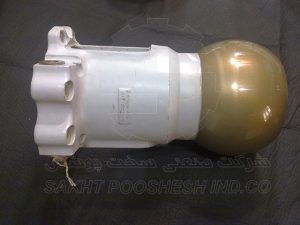
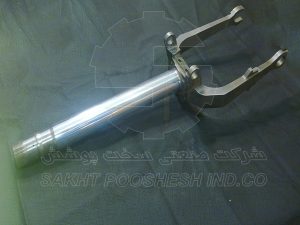
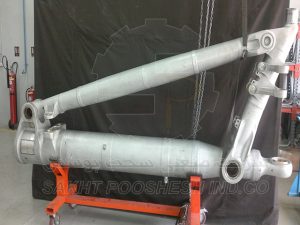
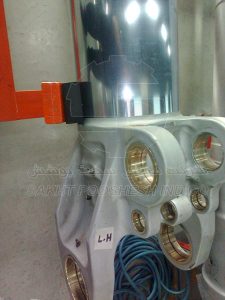
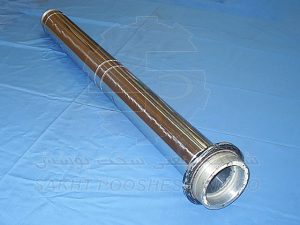
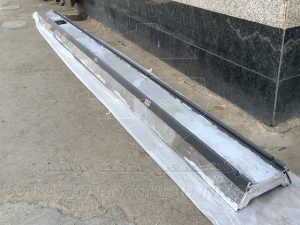
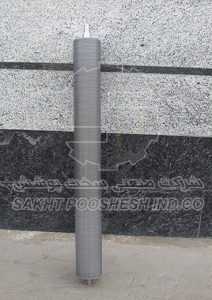
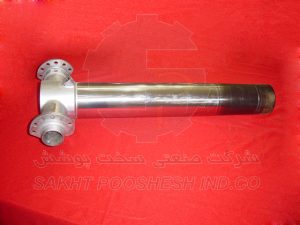
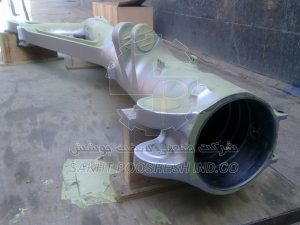
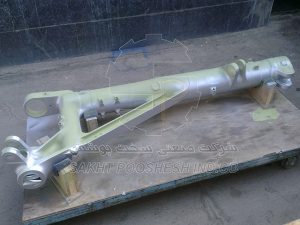
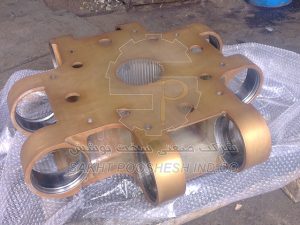
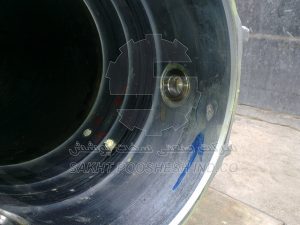
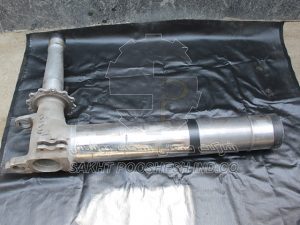
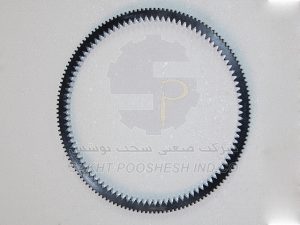
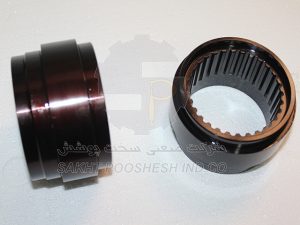
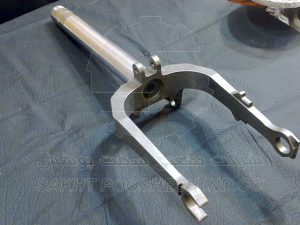
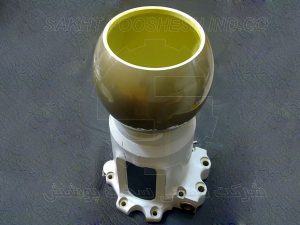
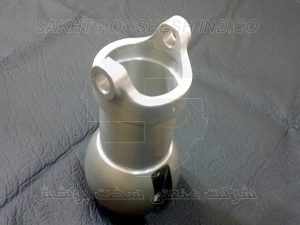
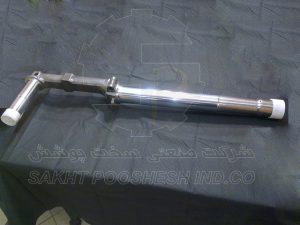
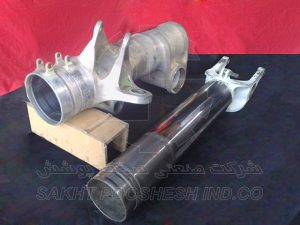
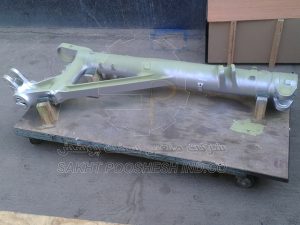
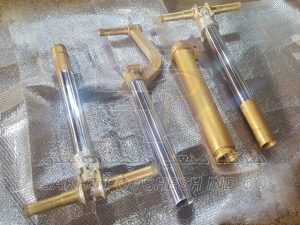
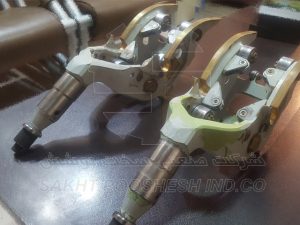
Aircraft landing gear, complete introduction of its components and airplane landing services.
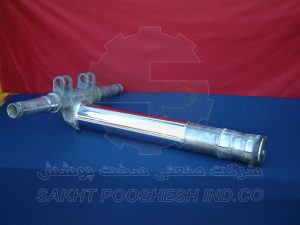
The landing gear, also known as the aircraft nose wheel, is a system responsible for bearing the weight and facilitating the movement of the airplane on the ground during landing and takeoff. The aircraft landing gear system consists of various components, including mechanical, hydraulic, and electronic parts, each of which contributes to maintaining balance and ensuring the safety of the aircraft during landing and takeoff. In the following, we will provide a complete and detailed introduction to airplane landing gear from the Hardcover website.
Landing Gear Overhaul Services for Different Types of Aircraft
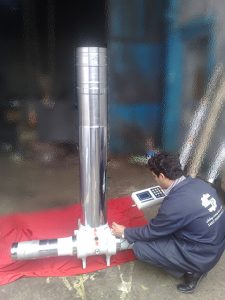
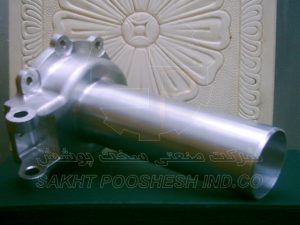
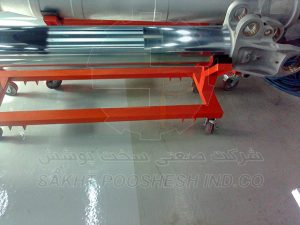
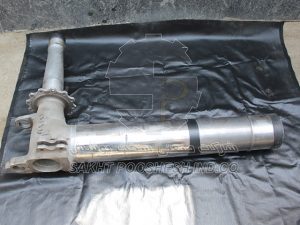
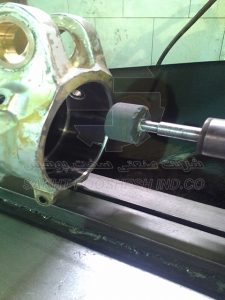
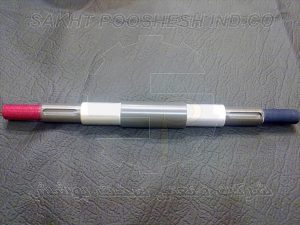
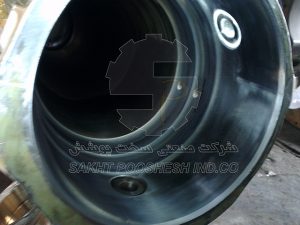
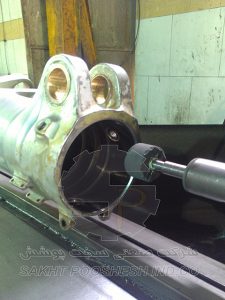
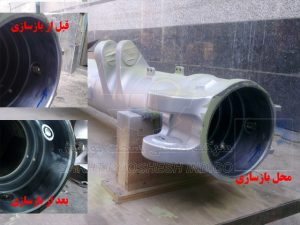
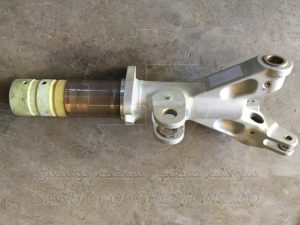
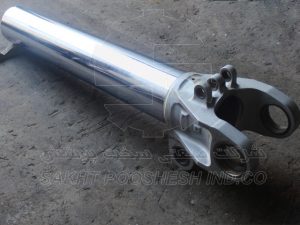
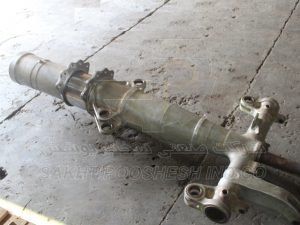
Sakht Pooshesh Company, with several decades of experience and expertise in landing gear repair for various types of large and small aircraft, is one of the leading companies in the field of aircraft landing gear services in Iran. The company utilizes a specialized team, along with expert knowledge and experience, and advanced equipment to ensure repairs and overhauls with high precision and quality. Additionally, if you have any questions, you can contact our experts.
The aircraft landing gear is a crucial component in the aviation system, responsible for providing a safe surface for the aircraft to land and move on at airports. This part, which is considered one of the primary systems of the aircraft, is essential to ensure flight safety and reduce risks associated with landing in various conditions. In this article, we will examine the components of the landing gear, its function, different types, and its vital role in flight safety.
Landing Gear Repair by Sakht Pooshesh
Aircraft landing gear repairs are performed by various companies, which must possess the necessary certifications according to the aviation regulations of their respective countries. There are generally international certifications for these repairs, but each country also has its own specific laws and regulations regarding aircraft component repairs. In Iran, these certifications are issued by the Civil Aviation
ساخت و بازسازی قطعات هواپیما و بالگرد
ساخت و بازسازی قطعات هواپیما و بالگرد
ساخت و بازسازی قطعات هواپیما و بالگرد
ساخت و بازسازی قطعات هواپیما و بالگرد
ساخت و بازسازی قطعات هواپیما و بالگرد
ساخت و بازسازی قطعات هواپیما و بالگرد
ساخت و بازسازی قطعات هواپیما و بالگرد
ساخت و بازسازی قطعات هواپیما و بالگرد
ساخت و بازسازی قطعات هواپیما و بالگرد
OLYMPUS DIGITAL CAMERA
OLYMPUS DIGITAL CAMERA
ساخت و بازسازی قطعات هواپیما و بالگرد
BF2-2004
ساخت و بازسازی قطعات هواپیما و بالگرد
ساخت و بازسازی قطعات هواپیما و بالگرد
ساخت و بازسازی قطعات هواپیما و بالگرد
Unknown
ساخت و بازسازی قطعات هواپیما و بالگرد
ساخت و بازسازی قطعات هواپیما و بالگرد
ساخت و بازسازی قطعات هواپیما و بالگرد
ساخت و بازسازی قطعات هواپیما و بالگرد
ساخت و بازسازی قطعات هواپیما و بالگرد
ساخت و بازسازی قطعات هواپیما و بالگرد
ساخت و بازسازی قطعات هواپیما و بالگرد
ساخت و بازسازی قطعات هواپیما و بالگرد
ساخت و بازسازی قطعات هواپیما و بالگرد
ساخت و بازسازی قطعات هواپیما و بالگرد
ساخت و بازسازی قطعات هواپیما و بالگرد
ساخت و بازسازی قطعات هواپیما و بالگرد
ساخت و بازسازی قطعات هواپیما و بالگرد
ساخت و بازسازی قطعات هواپیما و بالگرد
ساخت و بازسازی قطعات هواپیما و بالگرد
ساخت و بازسازی قطعات هواپیما و بالگرد
ساخت و بازسازی قطعات هواپیما و بالگرد
ساخت و بازسازی قطعات هواپیما و بالگرد
ساخت و بازسازی قطعات هواپیما و بالگرد
ساخت و بازسازی قطعات هواپیما و بالگرد
OLYMPUS DIGITAL CAMERA
OLYMPUS DIGITAL CAMERA
ساخت و بازسازی قطعات هواپیما و بالگرد
ساخت و بازسازیقطعات هواپیما و بالگرد
ساخت و بازسازیقطعات هواپیما و بالگرد
ساخت و بازسازیقطعات هواپیما و بالگرد
ساخت و بازسازیقطعات هواپیما و بالگرد
قطعات هواپیما و بالگرد
ساخت و بازسازیقطعات هواپیما و بالگرد
ساخت و بازسازی قطعات هواپیما و بالگرد
Components of Aircraft Landing Gear
The aircraft landing gear is made up of the following components, which we will discuss in general terms. Each of these components includes specialized parts and mechanisms, and on the landing gear section of the Sakht Pooshesh website, we will provide a detailed definition of each of them.
Wheels and Tires: Aircraft tires are highly specialized, and only a limited number of companies are capable of producing them due to the extremely high pressure they must withstand. Since the weight of the aircraft is very heavy, these tires must be designed and manufactured in a way that they can endure such high pressure. Additionally, due to the high speed and pressure generated when the aircraft brakes, the tires must be made from special materials that prevent them from catching fire due to the heat and pressure produced during braking.
Springs andSuspension System: The moment of landing generates a significant shock to the aircraft, which requires a specialized suspension system to control and absorb the impact, preventing it from being transferred to the aircraft’s fuselage. The main mechanism used in these suspension systems typically involves oil and air, which work together to neutralize the shock in the most effective way, ensuring what is commonly referred to as a smooth and soft landing.
Braking System: The aircraft lands on the runway at a very high speed, and one of the key factors ensuring a safe landing is the braking system, which must be capable of reducing the aircraft’s speed, often several hundred kilometers per hour, in the shortest time possible. In addition to the high speed, the aircraft’s heavy weight is another factor that the braking system must manage to decrease the aircraft’s speed over the shortest possible distance.
Steering System: Another crucial factor in safe landing and takeoff is the control system for the deployment and retraction of the aircraft’s landing gear. During takeoff, the timely retraction of the landing gear helps increase the aircraft’s speed and reduces the aircraft’s torque, allowing it to easily lift off. Due to the heavy weight of the landing gear system, this aspect has a significant impact on the aircraft’s takeoff performance.
Types of Aircraft Landing Gear
Landing gears come in various types, each designed and built for specific purposes. Below, we will introduce the most common and widely used types. The main factors in selecting the landing gear type include the center of gravity and its impact on drag and the aircraft’s speed. The table below compares and reviews the different types of landing gears. If you have any scientific insights, feel free to share your thoughts with us in the comments section.
Two main wheels under the wings and a nose wheel at the front. The most common type in modern aircraft.
High stability during taxiing and landing, better pilot visibility.
Higher weight, increased drag if not retracted.
Boeing 737, Airbus A320
Taildragger vs Conventional
Two main wheels at the front and a small tailwheel at the rear.
Better angle for the propeller, suitable for uneven surfaces.
Limited pilot visibility, risk of ground looping (unintended rotation).
The old aircraft Polikarpov I-
(Tandem or Bicycle)
Main wheels and nose in the longitudinal axis, with side supports.
Low drag, suitable for fast military aircraft.
Lower stability on the ground.
Lockheed U-2, Boeing B-52.
(Quadricycle)
Two sets of laterally displaced wheels.
Better weight distribution for heavy aircraft.
Increased complexity.
Some military aircraft.
Important maintenance points for landing gear
According to the existing regulations and standards for the maintenance and repair of aircraft components, the following points are essential and of high importance for landing gear maintenance
Routine Inspections : Periodic inspections, according to existing standards, are one of the main aspects of aircraft maintenance. There are various types of inspections for repair and maintenance, and they are usually defined based on hours of operation or periodic intervals depending on the amount of use.
Lubrication : To reduce shock during landing, technology based on oil and air is used. Therefore, inspecting and lubricating components in the aircraft’s landing gear system is of high importance to prevent friction and wear of the parts
Non-Destructive Testing (NDT) : The NDT testing laboratory is the primary method for diagnosing and inspecting aircraft components. There are various models for this method, and at Sakht Pooshesh, we have thoroughly reviewed and explained the methods used for each component. With this model, problems and defects are identified and repaired without causing any damage to the part.
ComponentReplacement : Given the critical nature of the landing gear during flight and international regulations and standards, it is recommended that worn-out components be replaced with new or overhauled parts after use. Since these components are exposed to high pressure, heat, and temperature, the metal properties of the parts may degrade over time. To enhance their durability, various methods, such as shot peening, are used.
Materials Used in Landing Gear Construction
Two very important factors in the manufacturing of aircraft metal parts are.
Strength
Low weight
These two factors are of utmost importance when selecting the alloys used in landing gear components. They must be able to withstand very high loads while maintaining high strength, and at the same time, have a low weight so that the aircraft can achieve optimal fuel efficiency during landing, takeoff, and flight. Aviation specialists are always striving to reduce the millions of dollars spent on aircraft fuel through various methods.
The following alloys are commonly used:
Titanium Alloys: For bearing heavy loads and resistance to corrosion.
Aluminum Alloys: For weight reduction and corrosion resistance.
Carbon Composites: For weight reduction and increased strength.
High-Speed Steels: For resistance to wear and dynamic loads.
Performance of Landing Gear in Different Stages of Flight
Takeoff
During takeoff, the landing gear must be able to withstand the weight of the aircraft and the forces exerted by the engines and wings. The suspension system must absorb the shocks caused by the rapid movement on the runway to prevent damage to the aircraft’s structure
Landing
During landing, the landing gear must be able to withstand the severe forces from the impact with the ground. The suspension and braking systems must be designed to absorb the shocks from landing and quickly reduce the aircraft’s speed
Taxiing
During taxiing, the landing gear must allow for precise steering of the aircraft. The nose gear and wheels should be designed to provide accurate control at low speeds